









Skip to content

Air technology · United Arab Emirates & GCC

We recreate nature's disinfectant, indoors and continuously.

Outdoors, sunlight drives natural atmospheric reactions that create hydroxyl radicals; highly reactive molecules that help break down airborne contaminants. Our systems reproduce that reaction inside your building, eliminating up to 99.9% of airborne and surface contaminants, and never switching off.

Coverage
135 – 10,000 sq ft
Ozone in testing
0 ppm
H₂O₂ vs OSHA limit
20× below
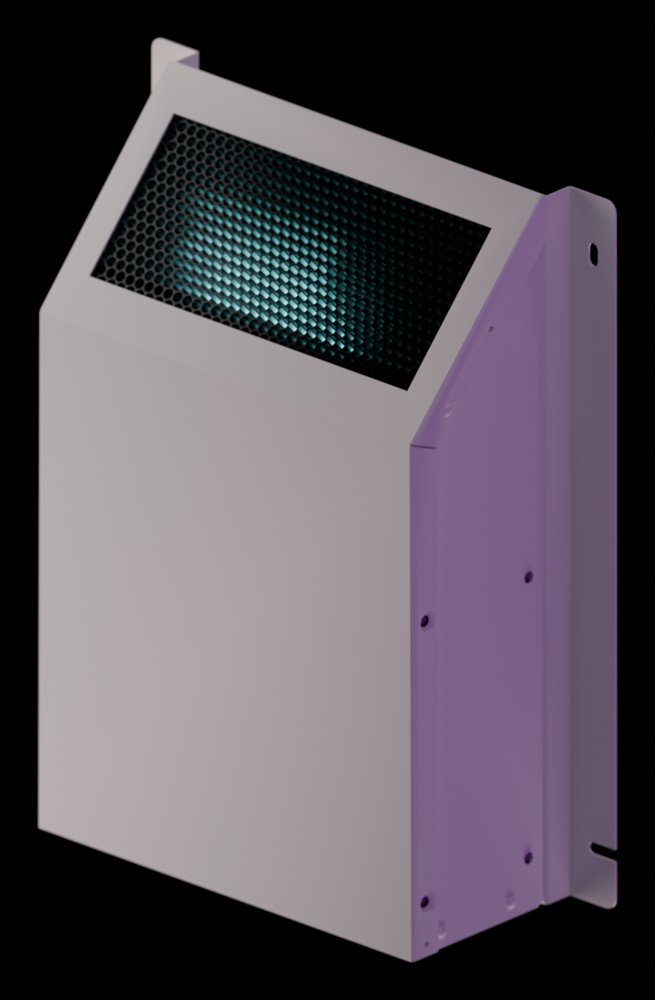
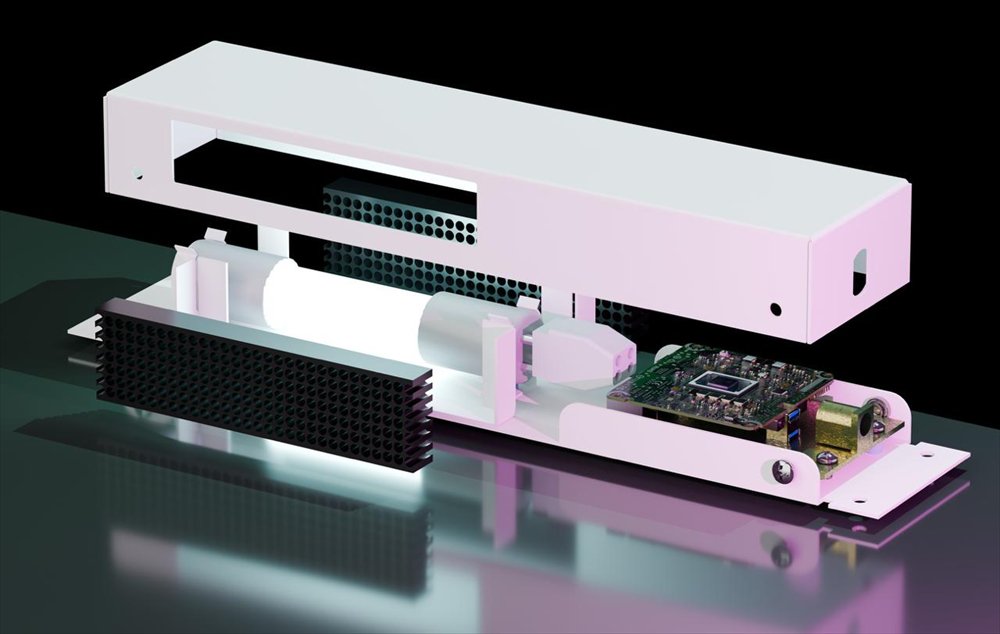
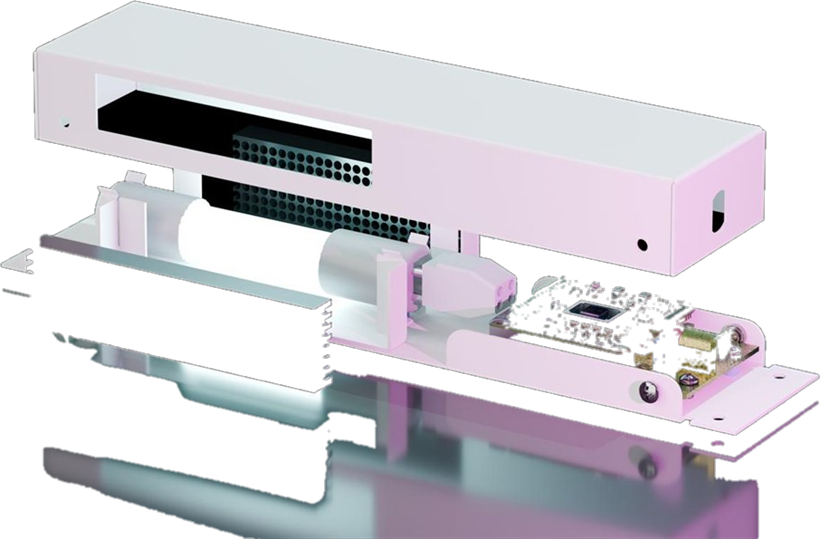
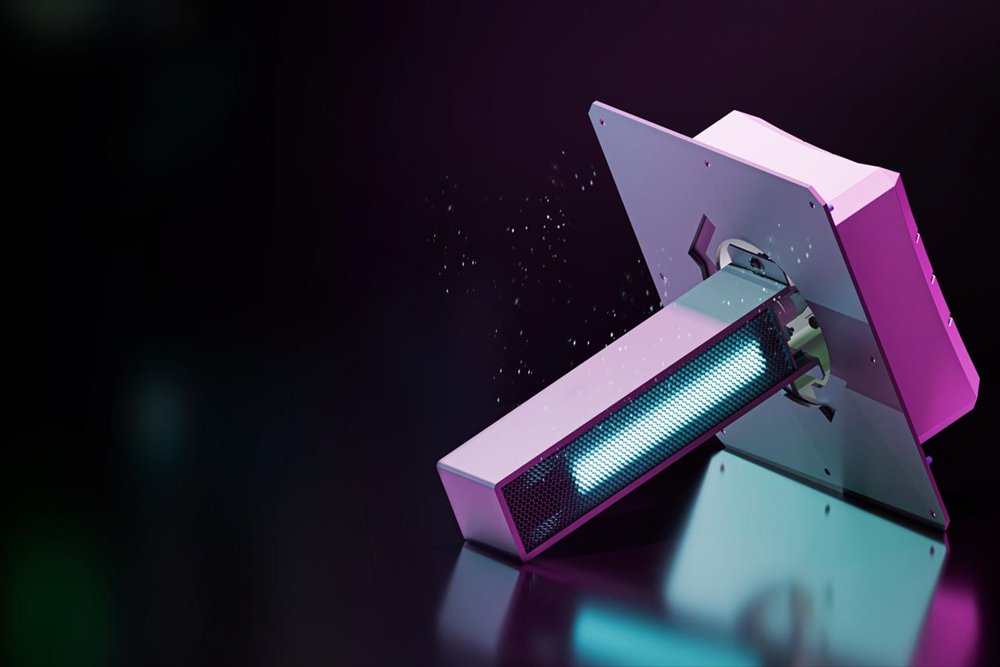
The PTAC unit, shown with its casing separated to reveal the ARC® cell and UV lamp

Proven at scale

The technology, trusted and in use by

Across aviation, healthcare, government, hospitality and education, in the GCC, the UK and Ireland, and the United States.

  • Jumeirah
  • Dubai Holding
  • NHS
  • InterContinental Hotels Group
  • One World Trade Center
  • Jumeirah
  • Dubai Holding
  • NHS
  • InterContinental Hotels Group
  • One World Trade Center
  • Ministry of Defence
  • Defence Infrastructure Organisation
  • CVS Health
  • L&Q
  • Great Places Housing Group
  • Ministry of Defence
  • Defence Infrastructure Organisation
  • CVS Health
  • L&Q
  • Great Places Housing Group

Three stages

The science, explained properly.

Air technology is an easy category to make vague claims in. So rather than ask you to take ours on trust, here is exactly what happens inside the unit, what it produces, and why that reaches places cleaning never does.

To become the GCC's most trusted name in clean air, protecting lives and elevating environments in every home, school, office, hotel and airport across the region.

Our ambition
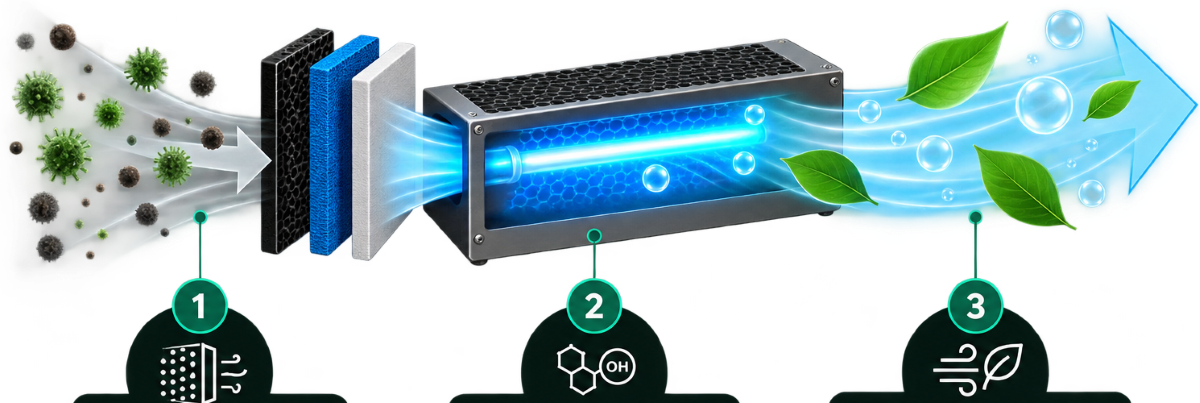
Air passes through filtration, across the UV-activated ARC® cell where hydroxyl radicals form, and leaves with contaminants broken down.
  1. 01

    Clean air enters

    Multi-layer filtration captures dust, pollutants and odours before the air reaches the cell.

  2. 02

    ARC® technology activated

    Moisture, oxygen and UV-C light react with our proprietary metallic catalyst, creating very stable hydroxyl radicals (•OH).

  3. 03

    Contaminants neutralised

    Hydroxyl radicals react with airborne pollutants, helping break down VOCs and odours while inactivating bacteria, viruses and mould spores.

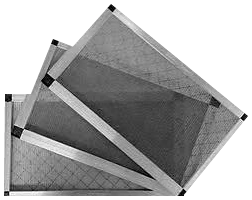
The filter in your AC

Your AC’s pre-filter is designed to protect the equipment; not your health

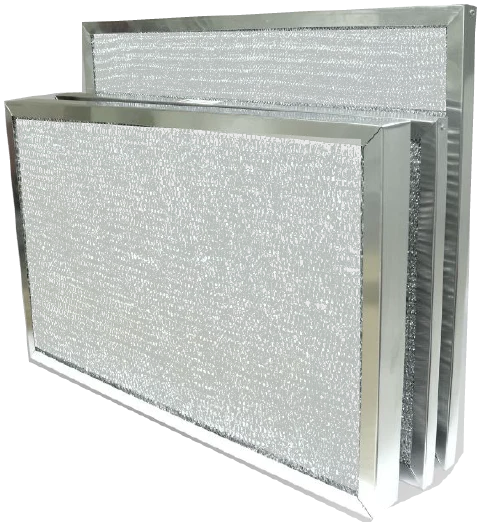
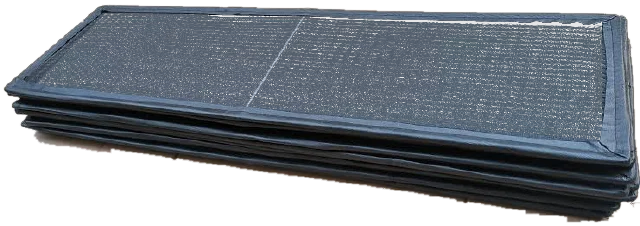
Many fan coil units (FCUs) use a basic washable mesh pre-filter. Its primary job is to catch coarse debris; such as hair, lint and larger dust particles, before it builds up on the cooling coils and fan. These standard coarse pre-filters are not designed to protect human health. They offer limited filtration of the finer airborne particles people can inhale. A functioning AC and a freshly washed filter should therefore never be mistaken for clean indoor air.

AC cleaning and indoor air quality are different jobs. Cleaning removes accumulated dirt and helps maintain equipment performance. Improving the air you breathe requires a different attention.

Aluminium mesh pre-filter
Aluminium mesh
Washable screen pre-filter
Washable screen
Synthetic panel pre-filter
Synthetic panel

Hold one up to the light and you can see straight through it. Spores, bacteria, smoke and odours do the same.

The comfortable assumption

A clean AC system is important. It is only part of the air quality picture.

A clean AC system matters. So does the air you breathe. They’re not the same thing.

Wiping surfaces, washing filters and cleaning HVAC systems help remove accumulated dirt and contamination. These are essential maintenance tasks that support airflow, cooling performance and equipment reliability.

AC cleaning services focus on cleaning the system. That is different from continuously managing the quality of the air you breathe.

Cleaning is a periodic intervention. Microorganisms can remain in concealed areas, porous materials and hard-to-reach components. If moisture and other conditions that support growth persist, contamination can return.

A freshly cleaned system does not, by itself, mean healthy indoor air. Better indoor air quality requires ongoing attention to moisture, ventilation, effective filtration and, where appropriate, additional air treatment, alongside regular cleaning and maintenance.

The 24-hour reality

Given moisture and warmth, this is how fast it comes back.

The Gulf climate sits at 20–35°C for most of the year, squarely inside the range that favours fast-growing, warm-adapted species. Deep-clean a space on Monday and, without something actively working, the cycle has already restarted by Tuesday.

  1. Minutes–hours

    Spores settle

    Airborne spores land on a surface with available moisture.

  2. 12–24 hours

    Germination

    Filaments establish. Nothing is visible yet, and nothing smells wrong.

  3. 24–48 hours

    Spore production begins

    The colony starts releasing new spores back into the air.

  4. 3–7 days

    Visible colonies

    By the time you can see it, the airborne reservoir is already well established.

  5. 1–3 weeks

    Mass production

    Heavy, sustained spore release throughout the occupied space.

This is why a one-off intervention cannot hold. The only thing that changes the outcome is a system that runs continuously.

What we do instead

Take the reaction that cleans the outdoor air, and run it inside.

Nothing exotic is being introduced into your building. The inputs are the water vapour and oxygen already in the room. All our technology adds is the catalyst and the energy that nature gets from sunlight.

H₂O

Water

Ambient humidity already in your air

O₂

Oxygen

Drawn from the same air you breathe

ARC®

Catalyst

UV energy activating our catalytic cell

AOPs

Advanced Oxidation Products

Including hydroxyls and H₂O₂

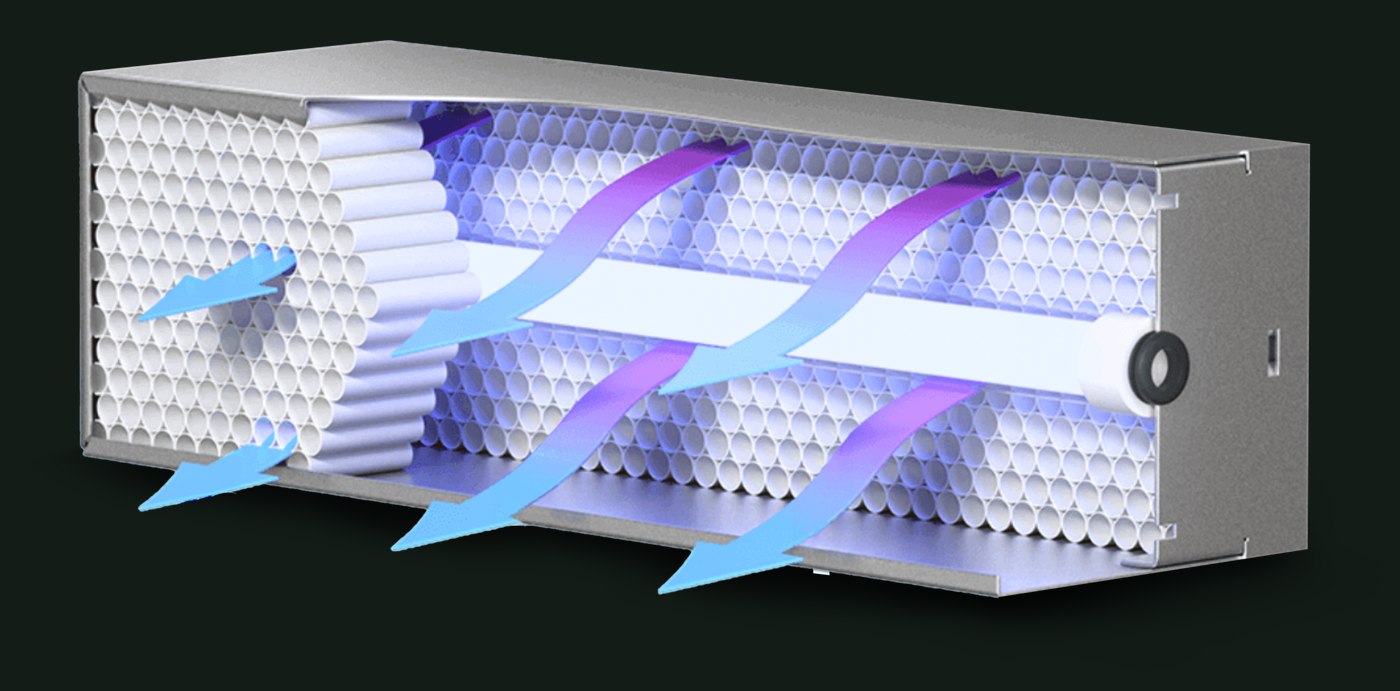
Cutaway of the ARC® cell: air is drawn through the honeycomb catalyst, across the UV lamp, and leaves as hydroxyls.
Inside the ARC® cell. Air is drawn through a honeycomb catalyst and across the UV lamp. The reaction converts the water vapour already in that air into hydroxyls, which leave with the airflow and carry on working out in the room: on surfaces, in ducting, and in the cavities cleaning never reaches.
  1. 01

    Air and moisture enter the cell

    Ambient humidity and oxygen, already present in your space, are drawn across the ARC® catalytic cell.

  2. 02

    UV energy activates the catalyst

    The reaction converts water vapour into advanced oxidation products, principally hydroxyls, at very low concentration.

  3. 03

    Agents disperse with the airflow

    Because they travel as a vapour, they reach surfaces, ductwork and cavities that cleaning never touches.

  4. 04

    Contaminants break down, continuously

    Organic contaminants are deactivated at a molecular level, and because the system never stops, the recolonisation cycle never restarts.

Hydroxyls

Nature's cleaning agents

Every day, sunlight reacts with water vapour in the atmosphere to produce hydroxyls, the molecules that scrub the outdoor air clean. ARC® reproduces that reaction indoors, continuously.

  • Hydroxyls occur naturally. They deactivate airborne and surface contaminants at a molecular level rather than simply trapping them.
  • ARC® is our proprietary form of Photocatalytic Oxidation (PCO): ultraviolet energy activates a catalytic cell, converting ambient humidity into oxidising hydroxyls.
  • Because the agent is a vapour, it travels wherever the air travels: behind furniture, inside ductwork, into grout and soft furnishings. Not just the surfaces you can reach.
Bi-Polar Ionisation

Natural electrical charges

The same charge separation that leaves the air feeling clean after a storm, generated on demand inside your building.

  • Ionisation brushes create a plasma of positively and negatively charged ions that disperse through the occupied space.
  • Ions cluster around airborne particles (mould spores, bacteria, viruses, pollen), increasing their mass so they drop out of the breathing zone.
  • Enlarged particles are also far easier for filtration to capture, which is why the two stages are specified together: filtration on the way into the system, active treatment downstream of it.

The range

One technology. Five ways to fit it into a building.

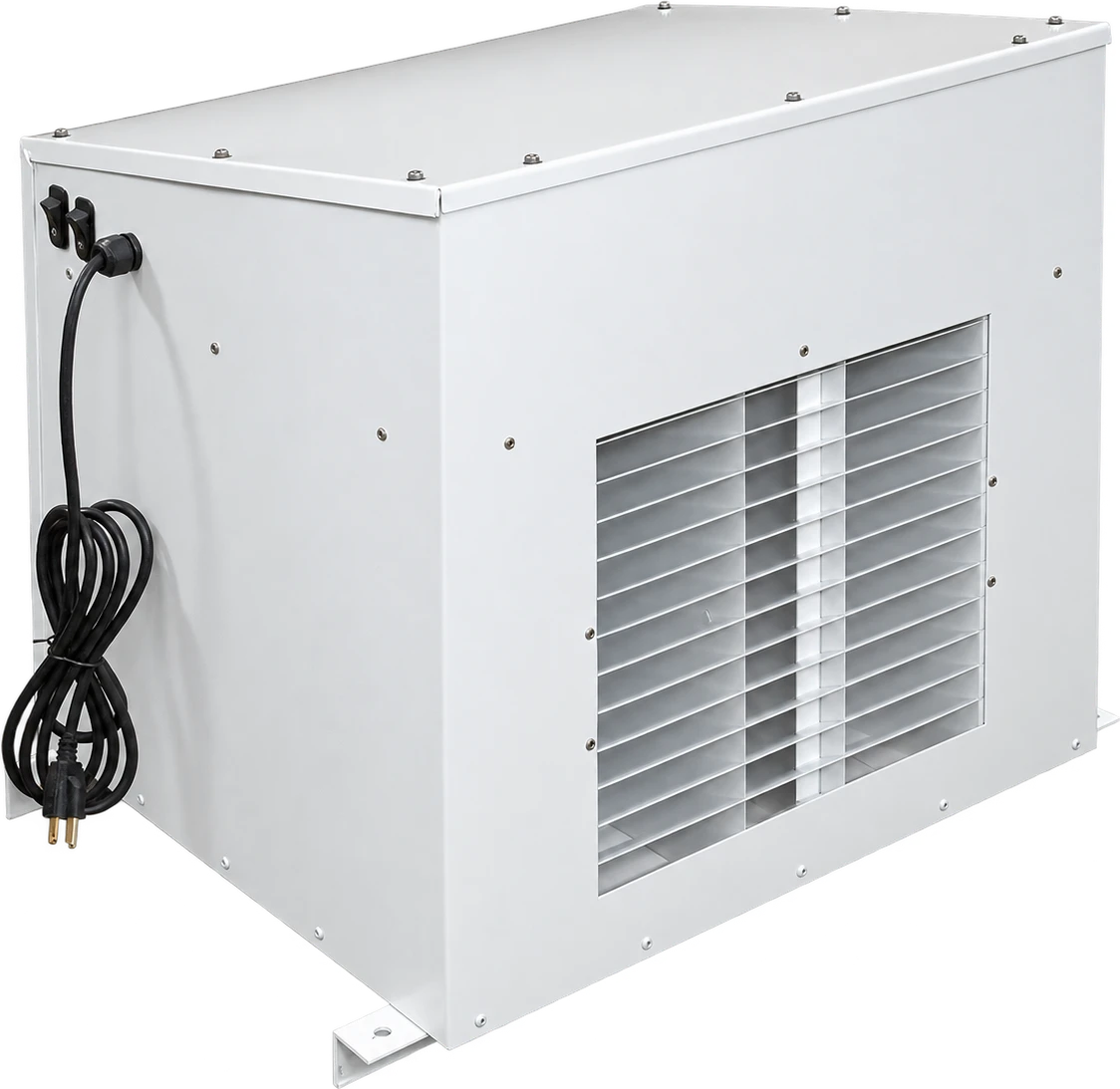
Specification depends on served volume, air handling type and how a space is actually used, so most buildings are addressed with a combination rather than a single unit. Coverage across the range runs from 135 – 10,000 sq ft.

Two-stage air treatment

Filtered on the way in. Treated on the way out.

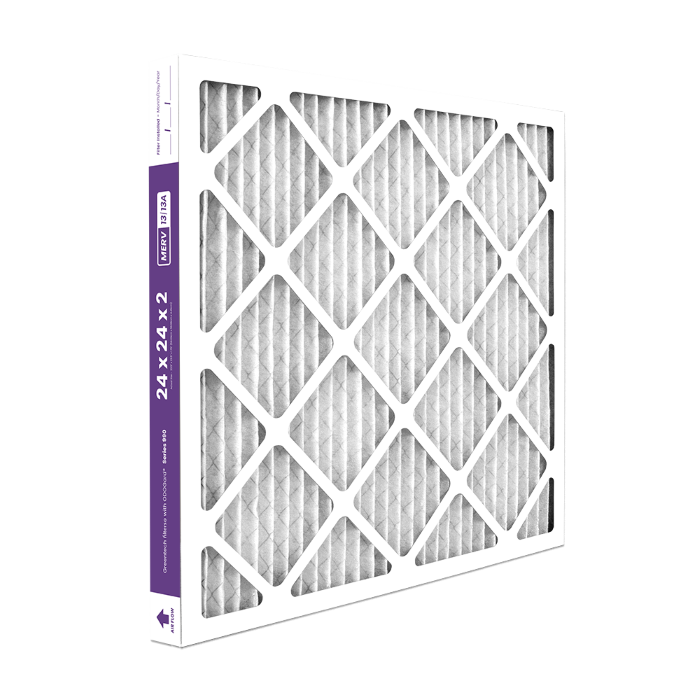
In the Gulf we replace the existing return filter, so the first thing that happens to your air is proper filtration, before it reaches the fan coil rather than after. The active technology then works on everything downstream of it.

  1. 01

    The return filter is replacedPassive

    Air entering the system passes through MERV 13A nanofibre media with ODOGard®. Particulates are captured and gas-phase compounds are destroyed in the media, before any of it reaches the fan coil or the ductwork.

  2. 02

    ARC® treats everything downstreamActive

    Sited after the filter, the ARC® cell releases hydroxyls into the airflow. They travel with the air into the served rooms, reaching surfaces, ducting and cavities that no filter can act on, because a filter can only treat what physically passes through it.

Transform your existing HVAC into a more effective air treatment system.

Activated carbon is the default answer to odour and VOCs. It adsorbs: it holds molecules on a surface until that surface is saturated, and in humid Gulf air a good share of that capacity is spent on water vapour rather than on what you wanted removed.

Greater VOC reduction

140%

Greater VOC reduction

versus carbon filters

Greater odour reduction

99%

Greater odour reduction

versus carbon filters

Less synthetic material

50%

Less synthetic material

than comparable filters

A carbon filter holds an odour molecule until it is full, then releases it. ODOGard® does something different: it changes the molecule permanently, so nothing is stored and nothing comes back.

The evidence

Every number here comes with the conditions that produced it.

Air technology is full of unqualified percentages. Ours are published with the product, the technologies fitted, the duration, the space and the laboratory, including the results that are less flattering, because a range you can interrogate is worth more than a headline you cannot.

96.4%

Stachybotrys reduction

72 hours, occupied building

>99.99%

Airborne mould spores

5 days, commercial office

98.2%

MS2 bioaerosol

4 hours, FDA GLP chamber

89%

Fewer pathogens vs control

4 weeks, active ambulances

How we measure

We test in occupied buildings, not just sealed chambers.

A sealed laboratory is a flattering place to test air technology. Once contamination is removed it stays near zero, because nothing new is introduced. Real buildings do not behave that way: people come and go, doors open, spores arrive continuously. So we do both, and we say which is which.

Air traps, not petri dishes

Petri dishes are designed to force growth under laboratory conditions: they tell you what can grow, not what is in the air right now. We use APACOR AirTrap XL sampling analysed by Sporecyte's AI platform, which reflects the live environment.

Flow rate
15 LPM
Sample duration
5 minutes
Volume sampled
75 litres
Accuracy
96%
Petri dish accuracy
50–70%

Occupied, real-world

Live testing

  • Continuous introduction of airborne spores and contaminants
  • Open ventilation and ongoing human activity
  • Room held at ideal growth conditions (24°C), deliberately re-contaminated
  • The technology must keep reducing contamination against constant challenge

Sealed chamber

Controlled lab

  • Sealed, airtight environment
  • No ongoing contamination once the test begins
  • Once contamination is eliminated it remains at or near zero
  • Valuable for isolating a single variable, but easy to make any technology look excellent

Our testing partners

  • MRIGlobal
  • ASHRAE
  • Sporecyte
  • APACOR
  • Advanced IAQ Solutions
  • Microchem
  • Rem Brands

Client stories

In our clients’ words.

Read our client stories
Residential

“I forgot what clean air smelt like.”

Private residential client, UAE
Residential

“I need you like I need my TV and fridge.”

Private residential client, Marsa Al Arab, Dubai
Residential

“We wanted to look beyond traditional filters.”

Private residential client, Marsa Al Arab, Dubai

Questions

The things people ask before they commit.

If yours isn't here, message us directly. You'll reach the team who specify the systems, not a call centre.

Ask on WhatsApp

The technology

Safety

Installation & upkeep

Working with us

Get in touch

Start with the building, not a quote.

We begin by understanding the environment and what's actually driving the problem: the building, the air handling, and how the space is really used. What you get back is a specification built around that, not a quote against a template.

  1. 1

    We review what you've told us and come back within one working day.

  2. 2

    A site assessment covering the space, the air handling system, and what's actually driving the problem.

  3. 3

    A written specification and a fixed price, including the ongoing service interval.

hello@eco-airtech.com

Dubai, United Arab Emirates

Or message us on WhatsApp

We'll only use your details to respond to this enquiry.