
Fleet, transit & aviation
Transportation
Buses, trains, ferries and planes move people through enclosed spaces all day. We treat the air and the surfaces continuously while vehicles stay in service, protecting passengers and crew.
72%
Pathogen reduction
Pilot on an active passenger rail system
Transport moves millions of passengers and crew through enclosed spaces every day. Buses, trains, taxis, ferries and aircraft share the same conditions: high occupancy, limited ventilation and constant turnover. Passengers share the air and touch the same seats, rails, tray tables and door handles.
The Gulf sees this at scale every year. Families escape the summer heat, then return together on full flights, bringing home whatever they picked up abroad. It travels onward in the airport transfer, the school bus and the daily commute, and within days it is in classrooms and offices.
Cleaning happens at the end of the shift, while contamination is reintroduced at every stop. Treating only the air, or only the surfaces, is no longer enough. Our technology treats both continuously while the vehicle is in service, reducing bacteria, viruses, mould, VOCs and odours between one passenger and the next.
The results are measured in real fleets. A pilot on an active passenger rail system recorded a 72% reduction in pathogens. A regional transit authority has fitted the technology across 189 buses. After a public transit fleet was equipped, 52% of surveyed riders said they were more likely to travel on it. A school transport study found bus driver absenteeism fell by an average of 47%.
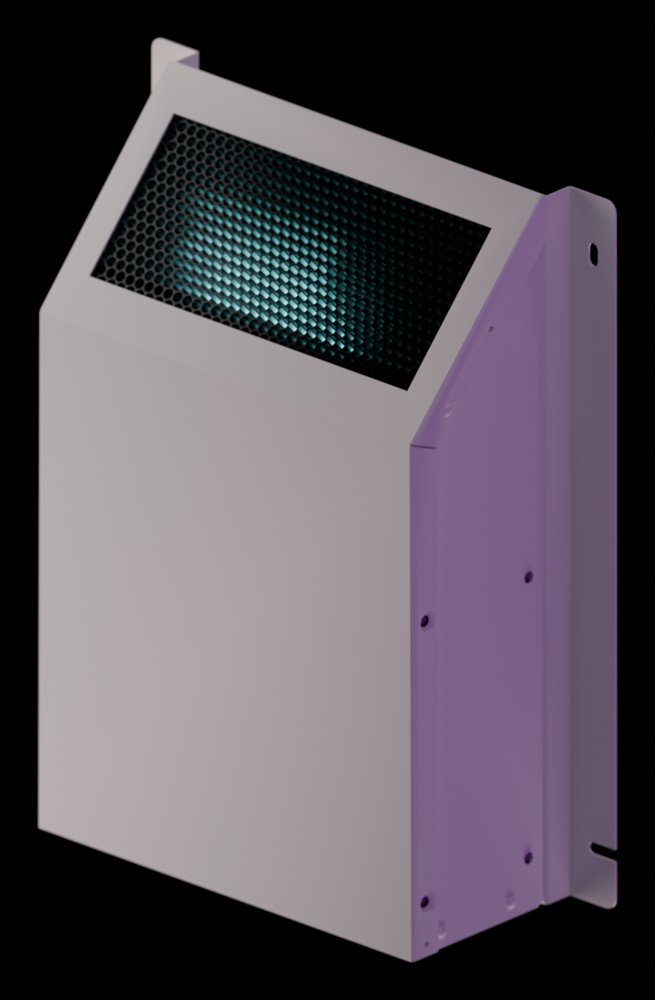
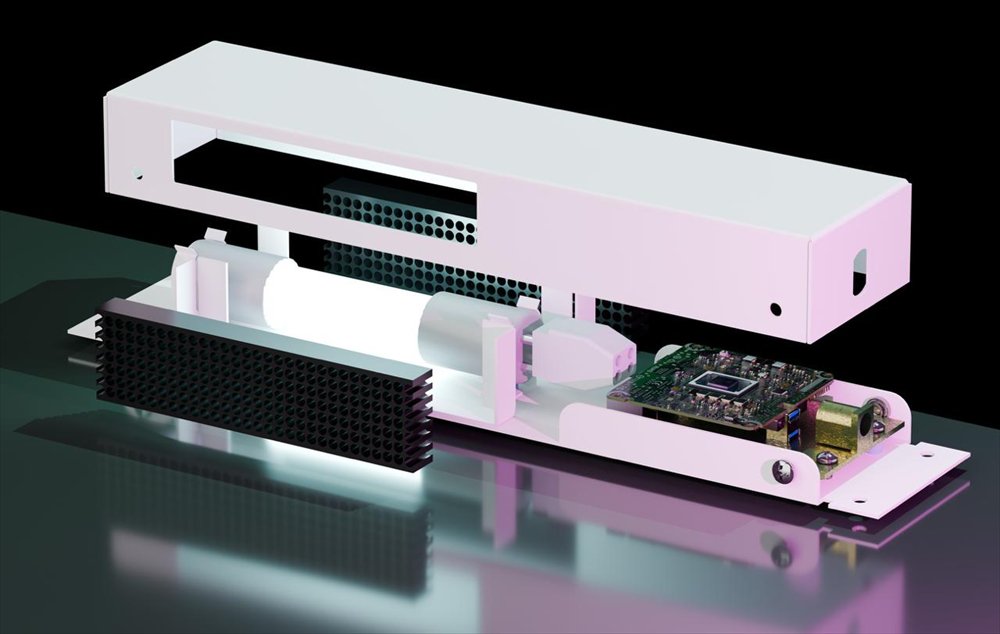
In a four-week trial in active ambulances, the equipped vehicle carried 89% fewer total pathogens than the control. The transit unit is built for the vibration, power and space limits of vehicles, across public transit, school and executive fleets, airport shuttles, emergency services, marine and aviation.
What matters here
Enclosed cabins, limited ventilation
People sit close together in recirculated air, often for hours at a time.
Constant turnover
Seats, rails and handles are shared all day, with contamination reintroduced at every stop.
Gaps between cleaning cycles
Periodic disinfection cannot cover a vehicle that is in service all day. Continuous treatment works while it is moving.
Rider confidence and crew welfare
Passengers expect visible, continuous cleanliness, and drivers and crew breathe that air for full shifts.
Typical specification
Where we'd usually start for transportation.
Indicative only. The final specification follows the site assessment, and depends on served volume and how the space is actually used.
Get in touch
Start with the building, not a quote.
We begin by understanding the environment and what's actually driving the problem: the building, the air handling, and how the space is really used. What you get back is a specification built around that, not a quote against a template.
- 1
We review what you've told us and come back within one working day.
- 2
A site assessment covering the space, the air handling system, and what's actually driving the problem.
- 3
A written specification and a fixed price, including the ongoing service interval.
Dubai, United Arab Emirates